Why Should a Middleman Feed His Suppliers?
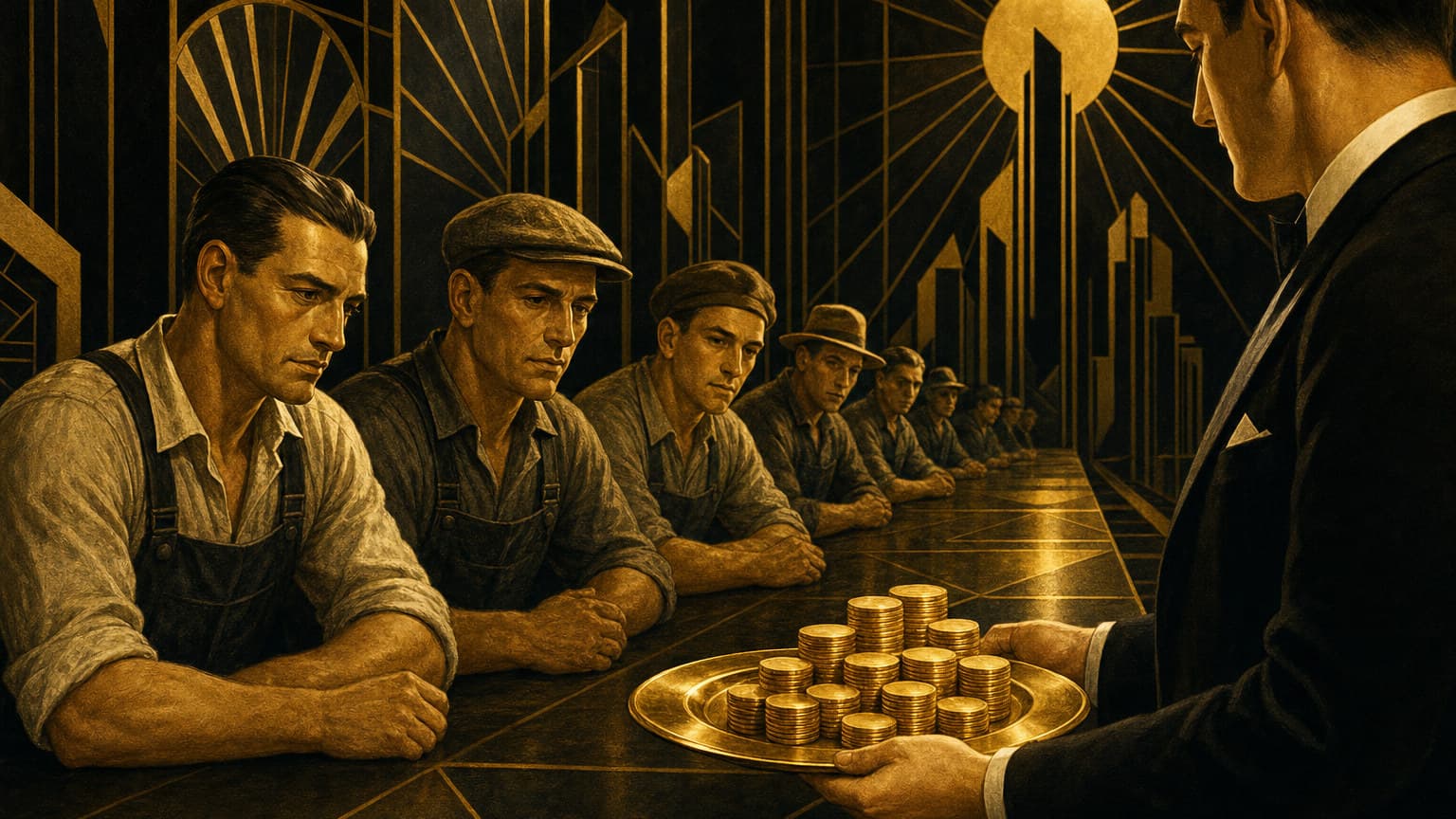
How do you keep good subcontractors? You feed them. Pay them fast, pay them fair, and give them enough work that your name is the best thing in their week. Starve a subbie and you don't save money, you train him to answer someone else's call first.
I ran a maintenance company in London working for housing associations and letting agents. None of that work got done by me. It got done by a network of subcontractors I'd built and kept fed. The day I stopped feeding one properly is the day he stopped being mine.
Your subbies are not the enemy and they're not the help
Most people who step into the middle make the same mistake on day one. They think the supplier is the cost to be minimised. Squeeze the quote, delay the payment, treat every subbie as interchangeable, and keep the difference for yourself.
That's not running a middleman business. That's running a hostage situation with extra steps, and hostages escape the first chance they get.
Your suppliers are your engine. They're not your enemy and they're not your servant. Give a tradesman steady, reliable work and fast, fair pay, and you become the phone call he wants to pick up - the customer he never has to chase, the job that doesn't keep him up wondering when he'll see his money. A supplier who eats well through you protects you. He prioritises you over the agency that pays him in sixty days. He has no reason to go around you, because going around you costs him the best stream of work he's got.
What "feeding" actually looks like
Feeding a subbie isn't a feeling. It's three things, done consistently, in this order.
- Pay fast. Not net 30, not "when the client pays me." The subbie did the work this week; he gets paid this week. Every day you sit on his money is a day he's financing your business for free, and he knows it.
- Pay fair. Squeeze a quote once too often and you've taught him the real price of working with you is resentment. He'll still take the job. He just won't take your call first next time.
- Keep the work coming. A subbie with full weeks doesn't go looking. A subbie with gaps does, and the gap is exactly when a competitor finds him.
Do those three things and you've built loyalty that no amount of clever contract wording could ever buy you.
The maths people get backwards
The instinct to squeeze feels like good business. It isn't. It's the most expensive mistake available to a man in the middle.
Here's why. Your entire position rests on owning both sides of a deal you didn't do the work on. The customer relationship is yours because you're reliable. The supplier relationship is yours because you're worth working for. Break either one and you're not a middleman any more - you're just a phone number nobody answers.
A well-fed supplier never bites the hand. A starved one looks for the exit.
Squeeze a subbie on price and pay him late, and the maths you're actually doing is this: you've traded a few pounds saved this week for a supplier who takes the next better offer that walks past him, and takes your customer's goodwill with him when the job gets rushed or botched because he stopped caring. That's not a discount. That's a slow-motion resignation you paid him to hand in.
This is Law 18, not a nice-to-have
Feed Your Suppliers is Law 18 in the 48 laws, and it's not there as a soft HR tip bolted onto a book about money. It's structural. The strongest position in the middle isn't built on having power over your suppliers. It's built on being the reason they thrive.
Think about what you actually own as a middleman. You don't own the van, the ladder, the skill with a trowel. You own the relationship on both sides of the gap. The moment a subbie decides he's better off elsewhere, half of what you own just walked out the door, and the customer never even knew his name to miss him. They'll miss the job going wrong, though, and that's on you.
Feeding the supplier protects the side you actually care about
Here's the part that gets missed. You don't feed suppliers because you're generous. You feed them because it's the cheapest insurance you'll ever buy on the side of the business that actually makes you money: the customer.
The customer is the prize you fought to own. The supplier is the engine that keeps your promise to that customer. Let the engine run rough because you squeezed it dry, and the breakdown happens on the customer's job, with the customer's name on the complaint, not yours - until it is yours, because you're the one face they call. Feed the subbie properly and the job gets done right the first time, which is the only kind of reputation worth having.
It also closes the door competitors are praying stays open. A resentful subbie is the easiest way for the two sides to shake hands without you - he's annoyed enough to take the customer's number and cut you clean out. A well-fed one has no reason to. Why would he trade a reliable payer for the risk and hassle of running his own customer relationship, on a job you built?
The families that kept their subbies
Every trade has stories of the firm that burned through subcontractors for a decade and wondered why nobody good would work for them any more, and the firm up the road that kept the same three crews for fifteen years and never had a quiet month. That second firm isn't lucky. It made a decision early that the margin on feeding people properly beats the margin on starving them, every time, compounded over years.
That decision - who you feed, who you starve, and what it buys you a decade later - is exactly the kind of thing certain families pass down and never bother writing on paper. It's part of what The Family Secret exists to finally put into words: not just how to stand in the middle, but how the ones who've done it for generations keep the whole structure loyal underneath them.
Where to go next
For the full staircase this law sits on, read MIDDLEMAN - 7x7=48: The 48 Laws of the Money in the Middle. If you're still working out how to own the customer side in the first place, How to Become a Middleman is the map. And if you want the deeper version - how the families who do this for generations really keep their suppliers, their customers and their margin locked in - write me a letter and ask to be let into The Family Secret.
Feed the people who do the work, or watch someone else learn to feed them instead. Write me a letter and request entry to The Family Secret for the rest of what they never wrote down.
Want the whole staircase?
Three books by Mohamed El Hadri. Start anywhere. Climb in order.