Is Being a Middleman Bad? The Honest Answer on Ethics

"Isn't being a middleman just leeching off other people's work?"
It's the question that stops a lot of good people from ever standing in the doorway. They've absorbed the idea that the middleman is a parasite - someone who adds nothing and takes a cut for the crime of standing in the way.
So let's settle it honestly, because the answer matters. Being a middleman is not bad. Being a bad middleman is bad. And there's a clean, simple line between the two.
The line: value or tax
Here's the whole ethics of the middle in one sentence.
Add real value, or you're just a tax.
A middleman who adds real value makes a deal happen that wouldn't have happened, or makes it happen better, safer, or faster than the two sides could manage alone. His slice is earned, because both sides are genuinely better off for him being there.
A middleman who's just a tax inserts himself into a deal that would've happened anyway, adds nothing, and clips a fee for standing in the path. His slice is theft with extra steps, and he deserves to be cut out - which, eventually, he is.
Same position in the Building. Opposite ethics. The difference isn't where you stand - it's whether you're worth standing there.
What "real value" actually looks like
Vague talk about "adding value" is how lazy middlemen justify themselves. So let's be concrete. A middleman adds real value when he does one or more of these:
- Matching. He connects two sides who genuinely couldn't find each other. The homeowner who needs a trustworthy roofer and the good roofer who needs customers would never have met without him.
- Trust. He vouches, vets, and guarantees. The customer pays his price because his name means "this won't go wrong, and if it does, I'll fix it." That certainty is a real product.
- Risk. He carries what the two sides don't want to. If the job goes wrong, it's his problem and his cost. He's selling them peace of mind, which is worth paying for.
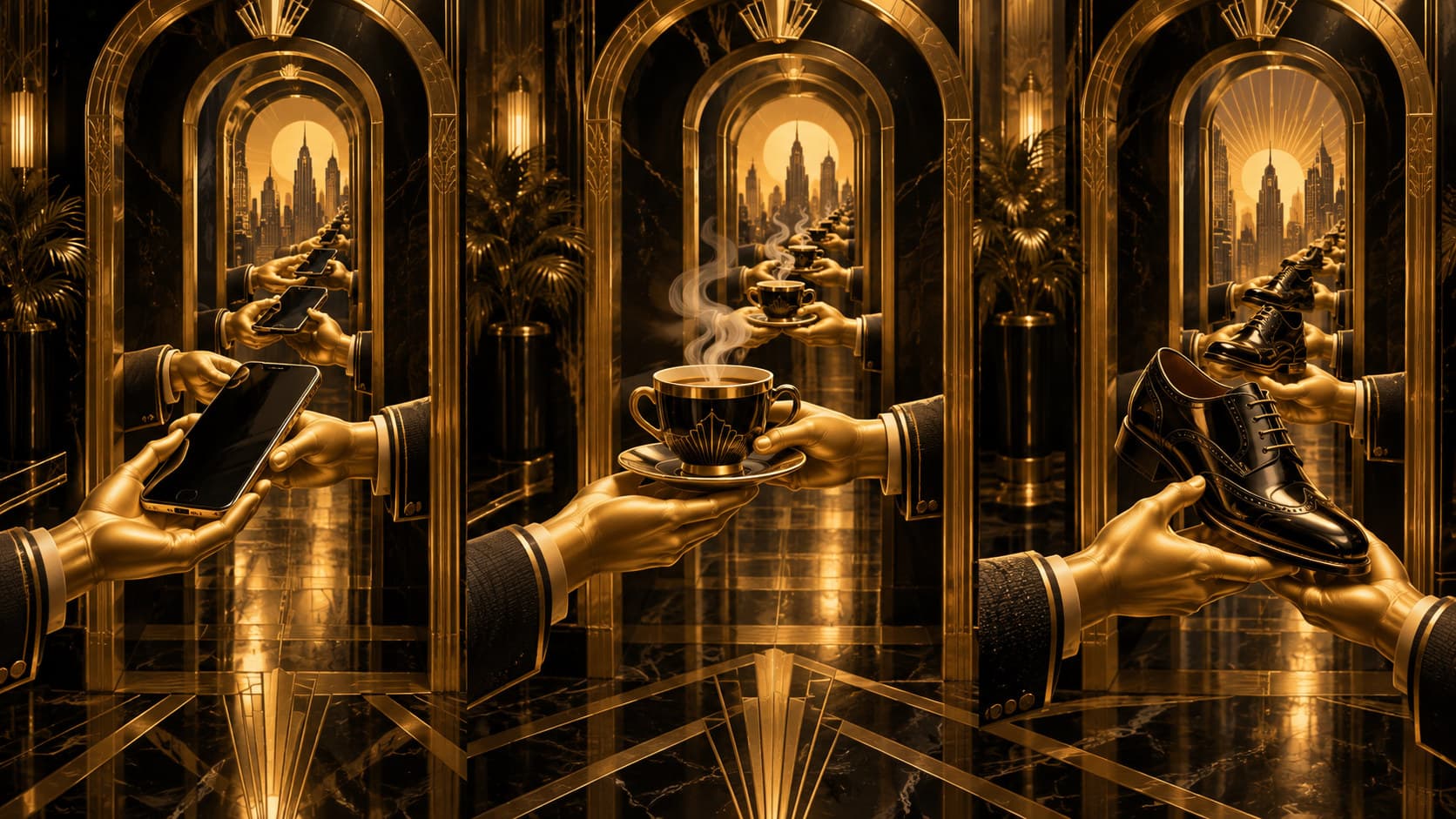
- Convenience. He removes hassle - the chasing, the coordinating, the dozen phone calls. People pay good money to not have to deal with things.
- Aggregation. He gathers scattered supply or demand into one place worth visiting. A marketplace is valuable precisely because everyone knows to go there.
If you're doing two or three of those, your slice is clean. You're not a tax. You're a service, and the people paying you would do it again gladly.
The tax test
Want to know which kind of middleman you are? Run these three questions honestly.
1. If I disappeared tomorrow, would the deal still happen exactly the same? If yes, you're a tax. The two sides didn't need you; you were just standing in the path. If no - if the deal would fall apart, get worse, or never have started - you're adding value.
2. Would both sides pay me again if they fully understood what I do? A value-adding middleman survives scrutiny. The customer who knows you subcontract the work still pays you, because they're buying your guarantee and your hassle-removal, not the labour. A tax only survives in the dark.
3. Am I making the two sides better off, or just poorer? Add up the whole picture. If the customer gets a better outcome and the supplier gets good steady work and you keep a fair slice, everyone won. If you've just made the same deal more expensive for no benefit, you're a drag on it.
Pass those and your conscience is clear. Fail them and no amount of hustle-talk will save you - the market will eventually route around you.
"But you're hiding that you don't do the work"
This is the objection that feels strongest, and it dissolves under one principle: be honest about what you are.
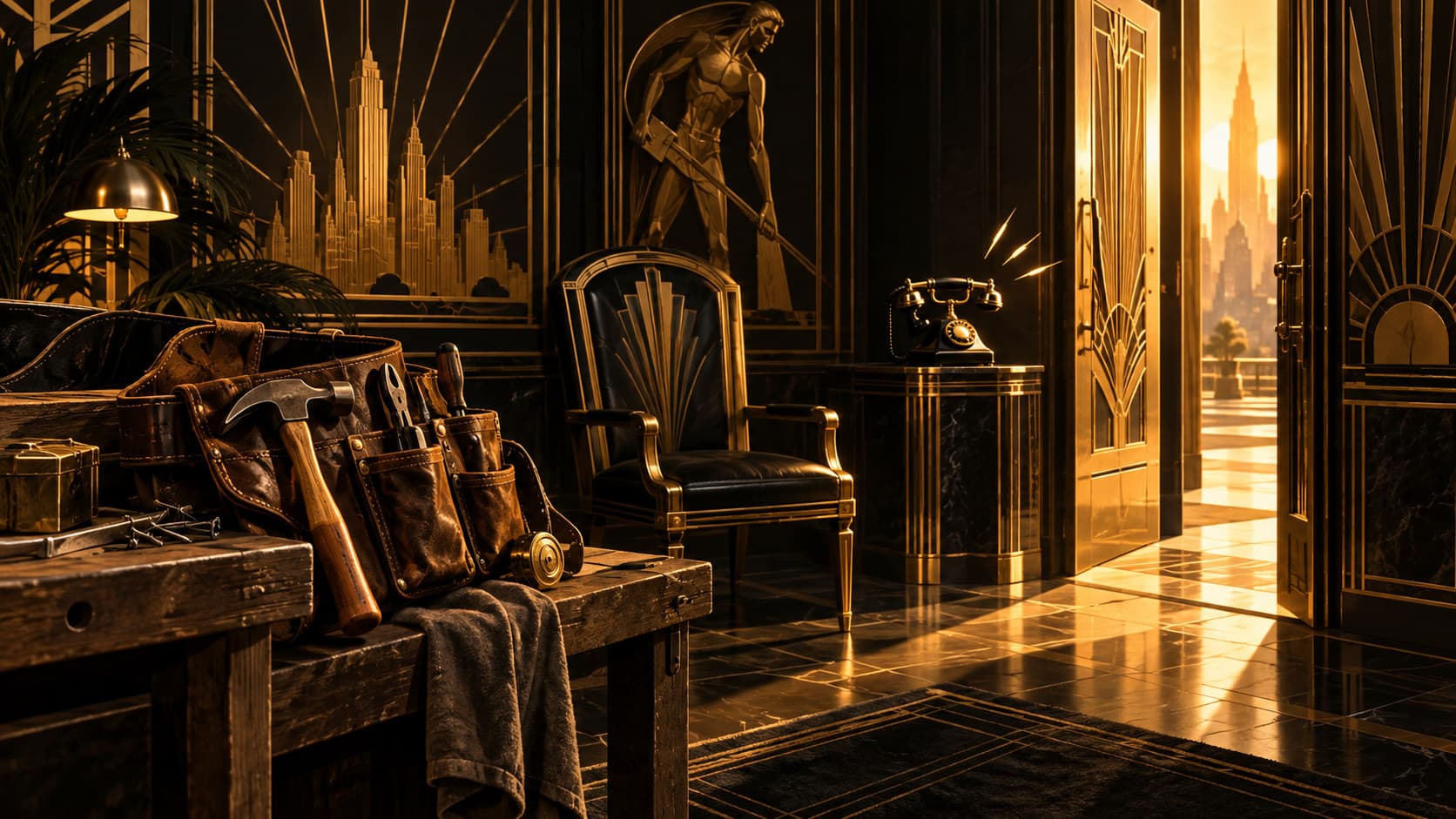
You don't have to pretend to swing the hammer. You're the company that takes responsibility for the outcome. You vet the trades, you guarantee the work, you carry the risk, you're the one the customer calls. That's a real role, openly held. The dishonest version isn't "using subcontractors" - every contractor on earth does that. The dishonest version is taking the money and not standing behind the work when it goes wrong.
So stand behind it. Guarantee it. Make your name worth something. Then "I don't personally do the work" is no more shameful than a restaurant owner not personally farming the vegetables.
Why this is also good business, not just good ethics
Here's the part that should reassure you: the ethical position and the durable position are the same one.
A middleman who's just a tax is fragile. The moment the two sides realise they don't need him, he's gone. That's the whole reason for Law 9 - never let the two sides shake hands without you - but notice why that law works. You can only keep the two sides apart if you're genuinely worth keeping them apart. If you add real value, neither side wants to cut you out, because you make their life better. The guarantee, the matching, the convenience - those aren't just ethical, they're your moat.
A tax has to trick people into staying. A value-adding middleman has people choosing to stay. The honest position is the strong one. That's not a coincidence; it's how the 48 laws work all the way down.
The verdict
Is being a middleman bad? No. The middleman runs the world - estate agents, marketplaces, brokers, platforms, the supermarket you bought dinner from. The middle is the most leveraged position in any transaction, and there's nothing wrong with standing there.
But the seat comes with a duty. Earn the slice. Add real value, carry real risk, stand behind your name. Do that and you've got nothing to apologise for. Skip it and you're a tax that's living on borrowed time.
Add value, or get cut out. That's the whole ethics of the middle.
Where to go next
The full picture of how to occupy the middle well - profitably and honestly - is in MIDDLEMAN - 7x7=48: The 48 Laws of the Money in the Middle.
And for the longer view of how value, ownership, and labour really divide up at the top, read The Family Secret.
Don't let the word "middleman" shame you off the richest floor in the Building. Just earn your place on it. Start with MIDDLEMAN.
Want the whole staircase?
Three books by Mohamed El Hadri. Start anywhere. Climb in order.